

 Hearing Aid Accessories
 Assistive Listening Devices
 Home and Alerts
 Laptops, Tablets & Software
 Amplified Phones

For many NDIS participants who are deaf or hard of hearing, the right technology can improve communication, safety, independence and connection with family, services and the community. However, not every useful item can be purchased with NDIS funding automatically.
A replacement support is a service, item or piece of equipment a participant asks to use instead of an NDIS support already funded in their plan. It is not additional funding. The NDIA must approve the request before the participant uses their NDIS funds to purchase the replacement item.
This guide explains what replacement supports are, when they may be relevant, how to apply, and how technology such as iPads, Android tablets, laptops and security cameras may support deaf and hard-of-hearing participants when linked to individual disability-related goals and needs.
Important: NDIS funding is individual. Approval depends on the participant’s plan, disability-related needs, evidence and the NDIA’s decision. Hear For Less cannot guarantee NDIS approval or funding for any product.
A replacement support is used when a participant wants to substitute one or more funded NDIS supports in their plan for an item or service that would not usually be funded as an NDIS support.
The request needs to show that the replacement item:
Replaces an existing NDIS-funded support, rather than adding a new cost.
Helps achieve the same or better disability-related outcomes.
Represents value for money.
Is safe, effective and appropriate for the participant.
Is not a day-to-day living cost that everyone is ordinarily expected to pay for themselves.
Does not duplicate another support, service or responsibility of another government system.
The key question is not simply, “Is this product helpful?” Instead, the question is: “Will this item replace approved support in my plan and help me achieve equal or better disability-related outcomes?”
Official NDIA guidance is available here: What is a replacement support?
Technology can be highly meaningful for people who are deaf or hard of hearing when it is connected to a clear functional need, disability-related goal and practical outcome.
For example, an item may be considered as part of a broader support approach when it helps a participant:
Communicate with family, carers, support workers, health professionals or emergency services.
Receive visual notifications for visitors, deliveries, alarms or activity around the home.
Take part in telehealth, online appointments, education, employment or community activities.
Use captioning, speech-to-text, relay services, video calling or accessibility apps.
Improve personal safety and reduce reliance on another person for everyday communication or awareness.
The strongest applications explain the participant’s real-world barriers, not just the product features. For example, “This tablet has a good screen” is weak evidence. “This tablet allows the participant to use live captions and video communication independently during health appointments because telephone communication is inaccessible” is more specific and outcome-focused.
An iPad or Android tablet may support communication and independence through accessibility tools such as live captions, speech-to-text, video calling, visual alerts, transcription and communication applications.
For a deaf or hard-of-hearing participant, the relevant outcome may be the ability to communicate without relying on phone calls, participate in appointments, connect with supports, access information visually or use disability-specific applications.
Explore iPads and tablets at Hear For Less.
A laptop may be relevant where a participant needs a larger screen, keyboard, webcam or dedicated device for study, work preparation, telehealth, captioned video calls, written communication or accessible online services.
The application should focus on why the device is needed because of the participant’s disability, why another device is not suitable, and how it replaces or reduces the need for the support being substituted.
Explore laptops at Hear For Less.
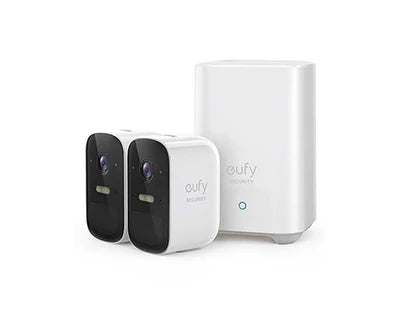
Security cameras may provide important visual awareness for deaf and hard-of-hearing people. Depending on the system and setup, visual notifications may help a person identify visitors, monitor entry points, see when a delivery arrives or respond to activity around their home without relying solely on sound.
A strong application would clearly explain the hearing-related safety barrier. For example, a participant may not hear a knock at the door, a doorbell, a visitor calling out or activity outside the home. Visual alerts and live video access may help reduce this barrier.
Explore security cameras and visual safety technology at Hear For Less.
Identify the support or supports currently funded in your plan that you want the new item to replace.
A replacement support cannot be used as a way to obtain extra funding. It must be linked to support already funded in the plan.
Write down the practical barrier you experience because you are deaf or hard of hearing.
Examples may include difficulty communicating by telephone, inability to hear visitors at the door, reduced access to appointments, or reliance on another person to receive verbal information.
Explain how the proposed item will address that barrier and what outcome it will improve.
Keep this practical and personal. Describe how the technology will support independence, safety, communication, participation or access to services.
Useful evidence may include:
A quote or invoice from Hear For Less.
Product specifications showing relevant accessibility or visual-alert features.
Advice from an allied health professional where appropriate.
A letter from an audiologist, occupational therapist, speech pathologist, support coordinator or other treating professional.
A brief statement explaining the participant’s disability-related needs and goals.
Information showing why the item represents value for money compared with the supports being replaced.
Use the official NDIA form: Application for a replacement support PDF
The participant, nominee, support coordinator or another authorised person can assist with preparing the request. Make sure the application clearly names:
The NDIS-funded support being replaced.
The requested replacement item.
The cost of the proposed item.
The participant’s disability-related need.
The outcome the item will deliver.
Why the item provides the same or better outcome and value for money.
Do not purchase the item using NDIS funds until the NDIA has approved the replacement support request.
Keep a copy of the approval, quote, invoice and any supporting evidence. These documents may be important for plan-managed or NDIA-managed claims and for future plan discussions.
No. A replacement support uses funding already available in a participant’s plan to replace an existing funded support. It is not a separate funding category or an automatic top-up.
Possibly, but never assume approval. The item must be connected to your disability-related needs and goals, meet NDIS requirements, and, where it is being requested as a replacement support, receive approval before purchase.
A product being useful, popular or high quality does not by itself make it NDIS-funded.
Strong applications are specific. They explain the participant’s hearing-related functional barrier, the support currently funded, the proposed item, the expected outcome and why it represents value for money.
Professional evidence can help, particularly where a clinician or allied health professional can explain why the technology is appropriate for the participant’s hearing access, communication or safety needs.
A support coordinator can assist with gathering evidence and preparing an application. A plan manager may assist with payment processes once funding is approved. The participant or their authorised nominee remains central to the decision and should understand what support is being requested and why.
The participant should read the decision carefully and seek advice from their support coordinator, plan manager, nominee, advocate or treating professional. It may be possible to provide clearer evidence, discuss other appropriate support options or seek a review of the decision where applicable.
Imagine a deaf participant who cannot reliably hear a knock at the door, delivery driver, visitor or verbal warning outside their home. This creates safety concerns and means they may rely on another person to know when someone has arrived.
A visual security camera system with app-based notifications may help the participant see who is at the door and receive visual alerts through a phone or tablet. In a replacement support application, the participant would need to identify which funded support the camera is replacing and explain how the system will produce the same or better safety and independence outcome.
The focus is not “I would like a camera.” The focus is “Because I cannot rely on sound-based alerts, this visual technology may reduce a disability-related safety barrier and increase my independence.”
Hear For Less supports deaf and hard-of-hearing Australians with accessible technology designed around communication, safety and independence. For eligible participants, this may include:
Product quotes for iPads, Android tablets, laptops and security cameras.
Product information that explains relevant accessibility features.
Clear invoices for self-managed and plan-managed participants.
Assistance identifying products that may suit a participant’s stated needs.
Information to help participants, carers, support coordinators and plan managers make informed decisions.
Hear For Less provides products and supporting documentation, but the NDIA makes the funding decision. Always obtain approval before using NDIS funds for a replacement support.
For current NDIS information, visit the NDIS replacement support guidance and download the replacement support application form.
 Hearing Aid Accessories
 Assistive Listening Devices
 Home and Alerts
 Laptops, Tablets & Software
 Amplified Phones